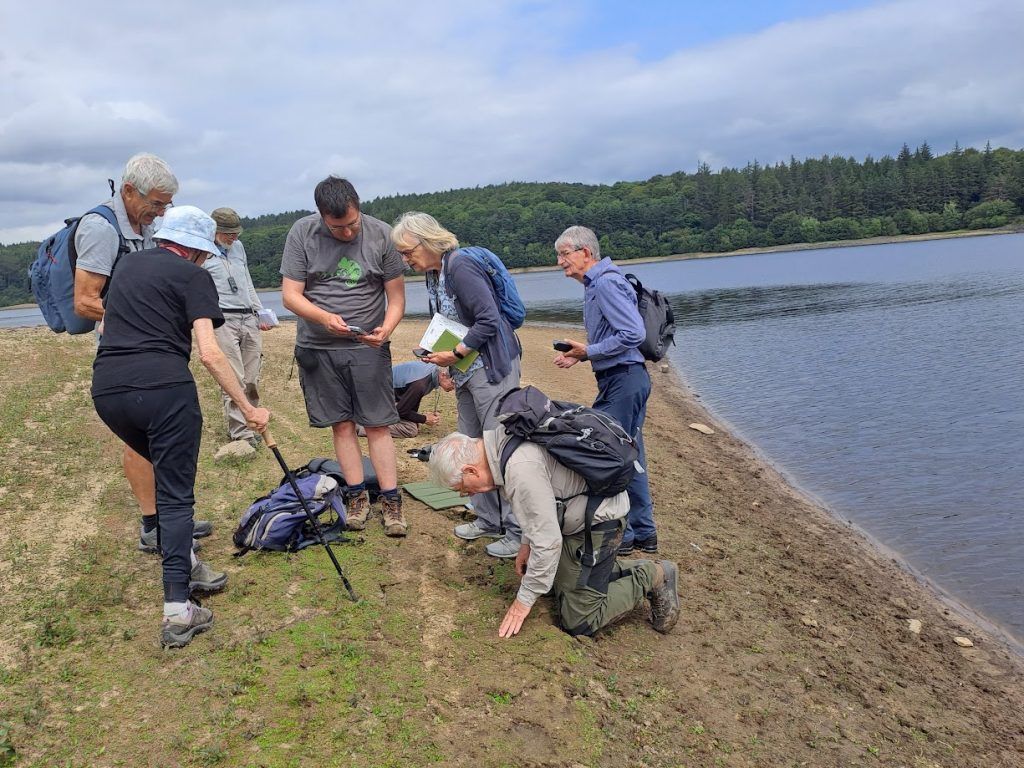
The group met at the Fewston Reservoir car park, where the surrounding trees seemed to have grown tremendously after a previous visit some time ago. Bruce Brown introduced us to the site, explaining that the primary objective was to look at the plantlife in the draw-down zone above water level along the west bank of the reservoir. The water level was higher than expected after all the hot, dry weather.
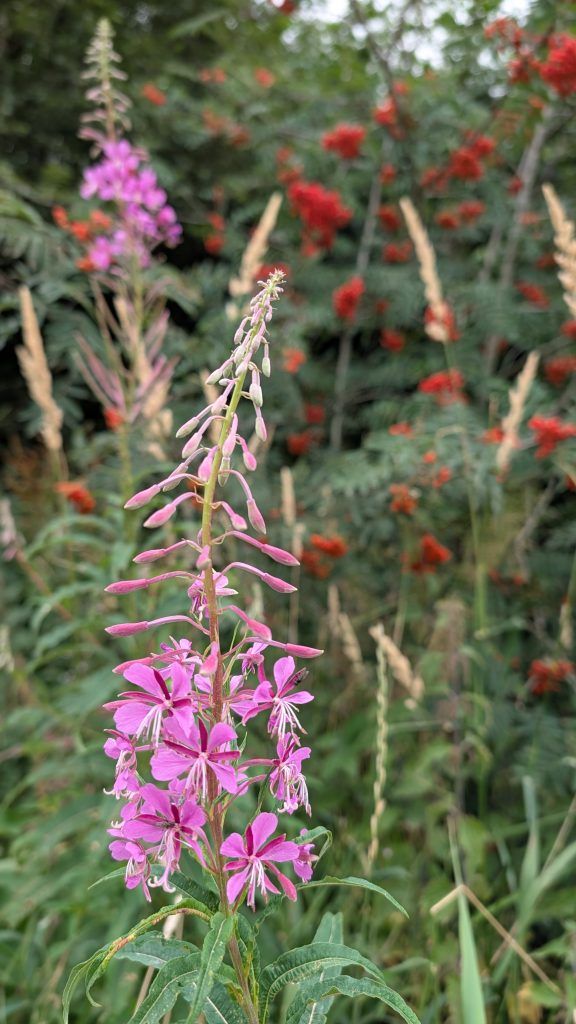
We started by walking along the main path through woods along the western edge of the reservoir. Quite a number of trees and other plants were recorded, the latter looking very tall, dry and autumnal. Ferns noted were Male, Lady and Broad Buckler, while some of the other plants included Flowering Currant, Wild Angelica, Greater Burdock, American Willowherb, Enchanter’s Nightshade, Large-leaved Lime, Giant Fescue, Wood Dock and Reed Canary Grass.
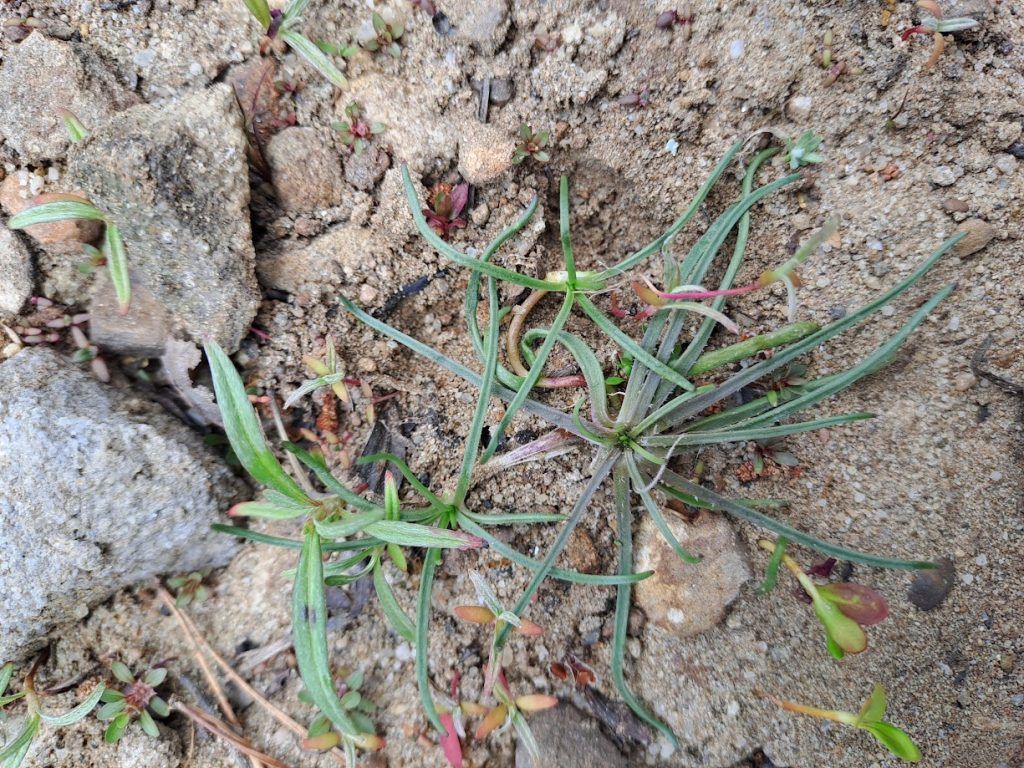
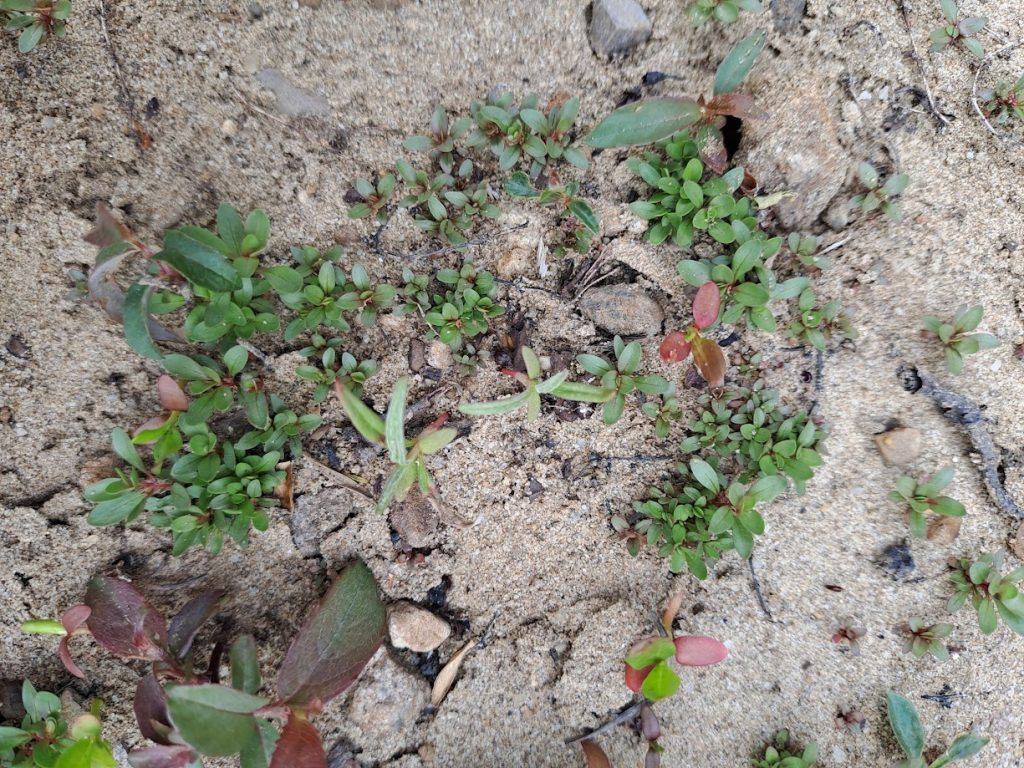
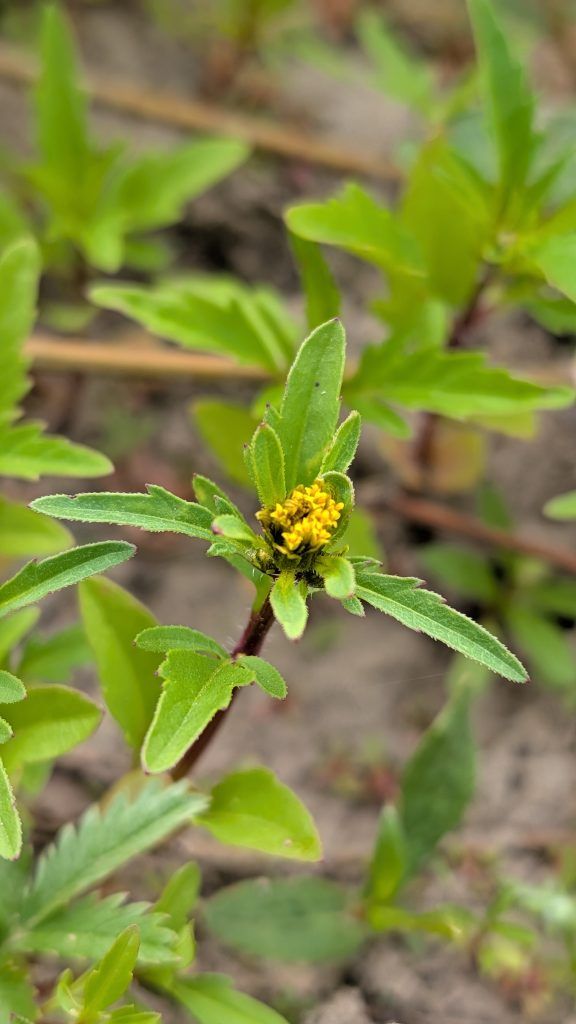
The first section of draw-down zone was soon reached, made up of the sloping, dry mud banks of the reservoir above the current waterline. It was interesting to see that the vegetation was strongly banded up the slope paralleling the waterline. The lowest bands, most recently exposed out of the water were largely free of any vegetation. The higher bands progressively had more and larger plants, until at the top above the highest waterline, the plants were fully grown. As such, plantlife spent much of the year underwater and had adapted to a life of rapid development when the water had receded. The most developed plant on the slope was Amphibious Bistort, just coming into flower. Other larger plants on the slope were Tormentil, Curled Dock, Common Bird’s-foot Trefoil, Redshank and Marsh Yellow-cress. Many of the scarcer plants, including Shoreweed, Trifid Bur-marigolds, Water Purslane and Water Pepper were very small, but would soon grow and hopefully flower. Willows were also appearing.
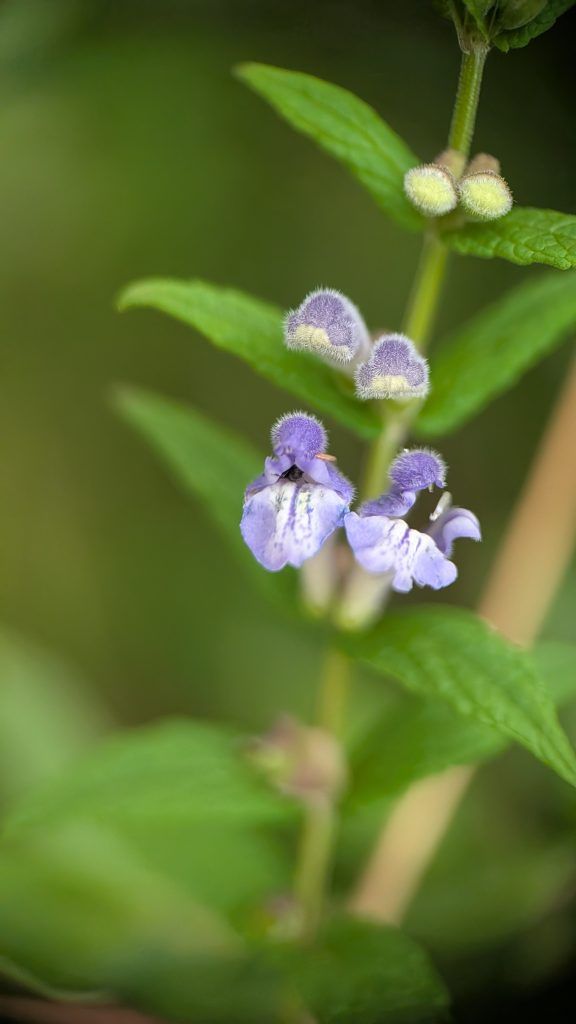
The flat, dry top of the slope revealed many flowering plants, including Sneezewort, Yarrow, Common Knapweed, Meadowsweet and Wood Sage, although here, the attractive Whorled Mint was of particular note.
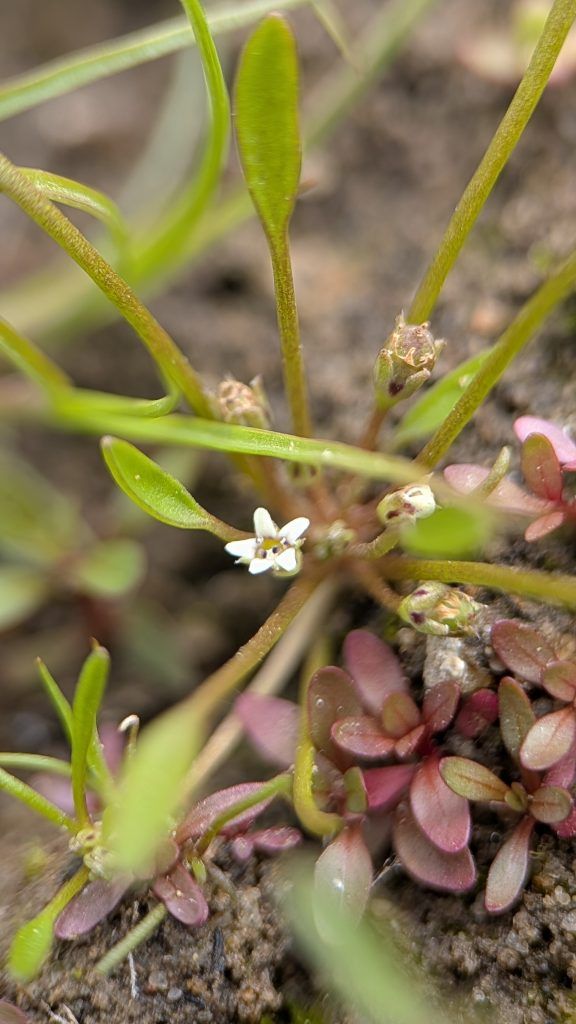
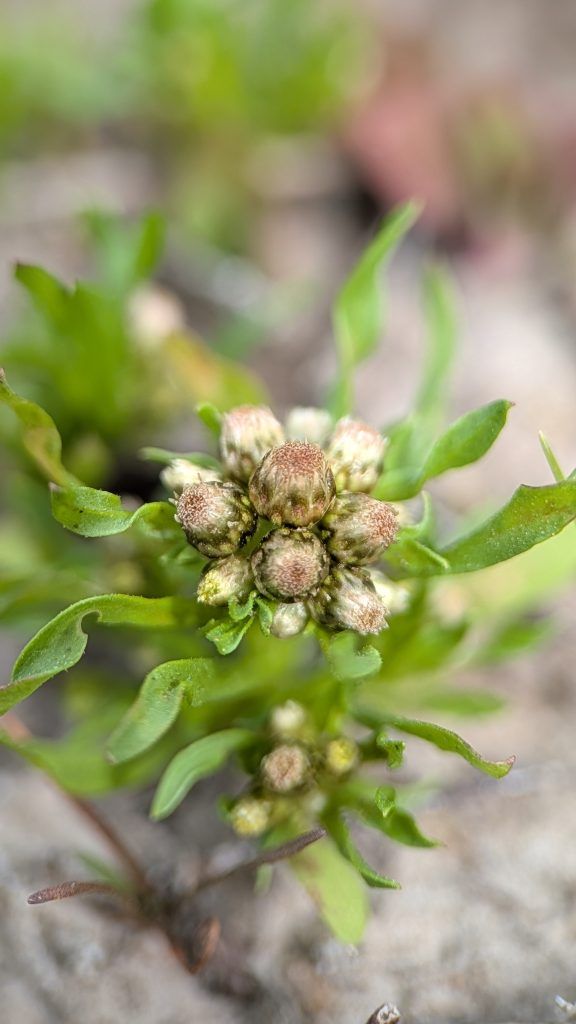
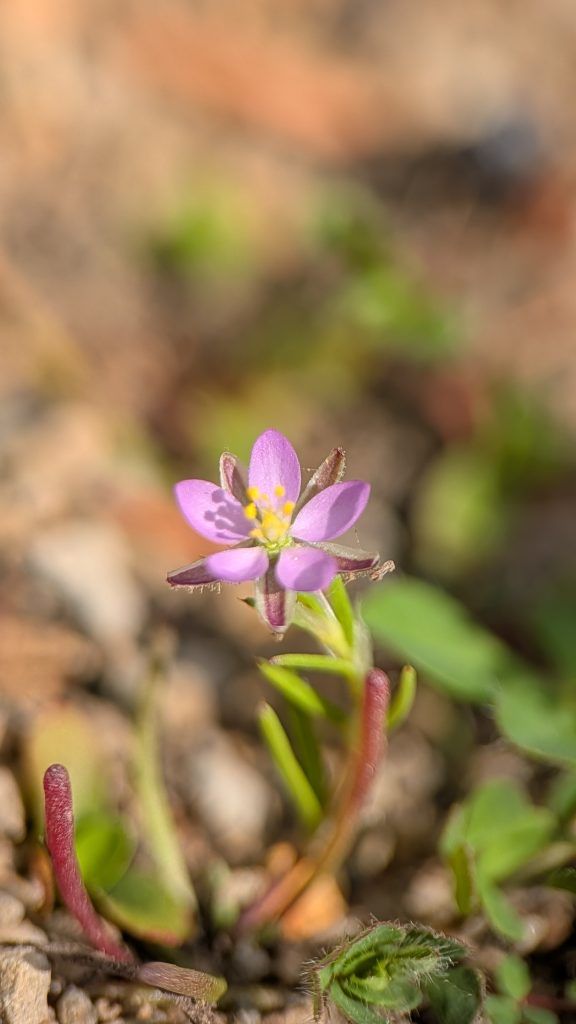
A further short walk along the footpath brought us to a second draw-down zone, similarly structured, but revealing additional species, most particularly New Zealand Pigmyweed and the much rarer Mudwort (just in flower) and Sand Spurrey.
A further feature here was the line of a stream from the woods into the reservoir. This was quite wet at the top and still visibly damp lower down. Some extra plants were noted here, including Common Spike-rush and Bulbous Rush, Marsh Speedwell and Tufted Forget-me-not. Again, the flat area at the top of the bank held a range of fully grown plants, including Betony, Water Horsetail, Harebell, Marsh Ragwort, Bladder Sedge, Skullcap, Lesser Stitchwort, Scented Mayweed and some fine newly emerged flowers of Trifid Bur-marigolds.
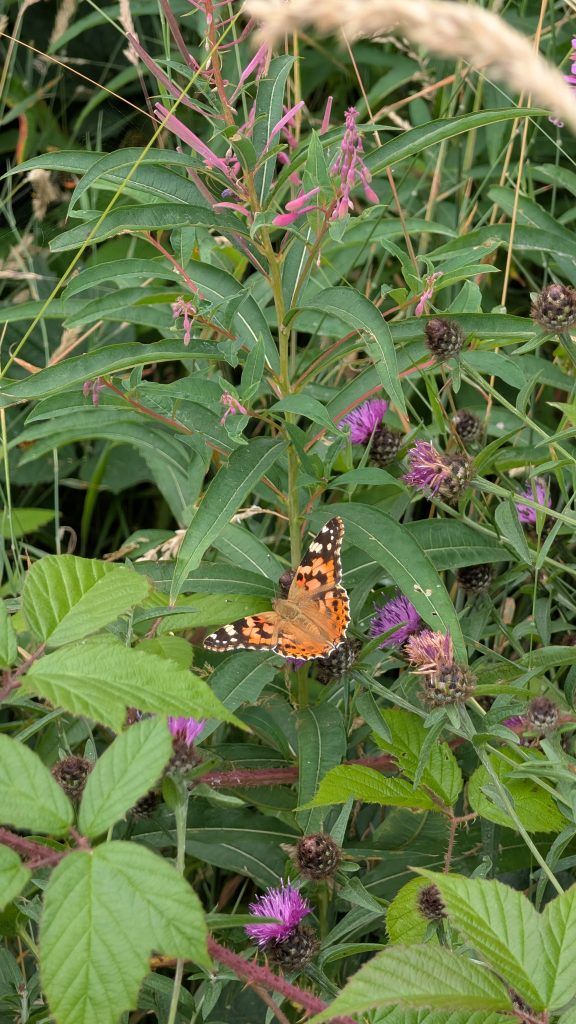
The Common Knapweeds were generally very attractive to butterflies, not least Green-veined Whites and particularly Painted Ladies. There were few birds on the reservoir to be seen, largely Mallards and geese.
This was a very different and interesting visit revealing an unusual habitat with a range of scarce plantlife, some new to the participants, who expressed their thanks to Bruce and the organisers.
Michael Harford