Ripon Canal is a short canal linking Ripon to the River Ure and giving access to the River Ouse, York and beyond. Commercial navigation came to an end by the end of the 19th century and the canal became derelict. Then restoration for leisure navigation was undertaken and this was completed by 1996. I confess that at first I was a little uncertain about whether this choice of location would provide sufficient diversity for a botany foray, but in truth we were almost overwhelmed by the extent and diversity of the wonderful plant life growing there.
We set off from the Ripon City Wetlands car park and wisely we did not begin to record the plants until we reached our destination of the actual canal. Our leader on the day was Robin Blades who told us that it was the first time he had led a group from HDNS which was hard to believe because he had so much to tell us.
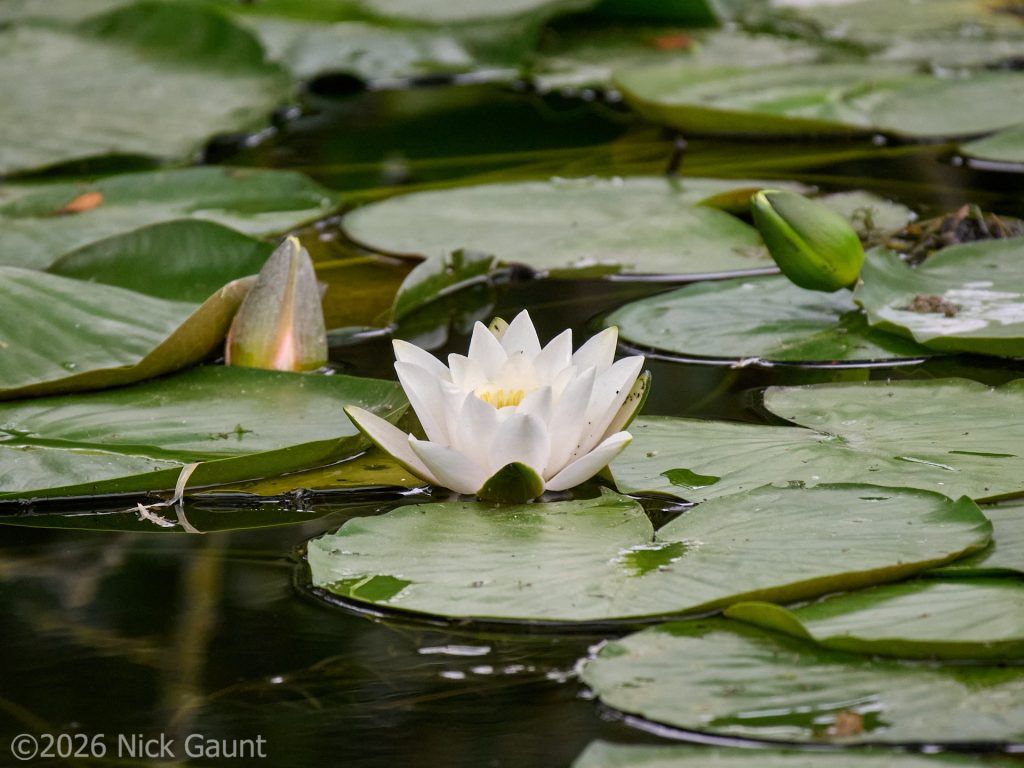
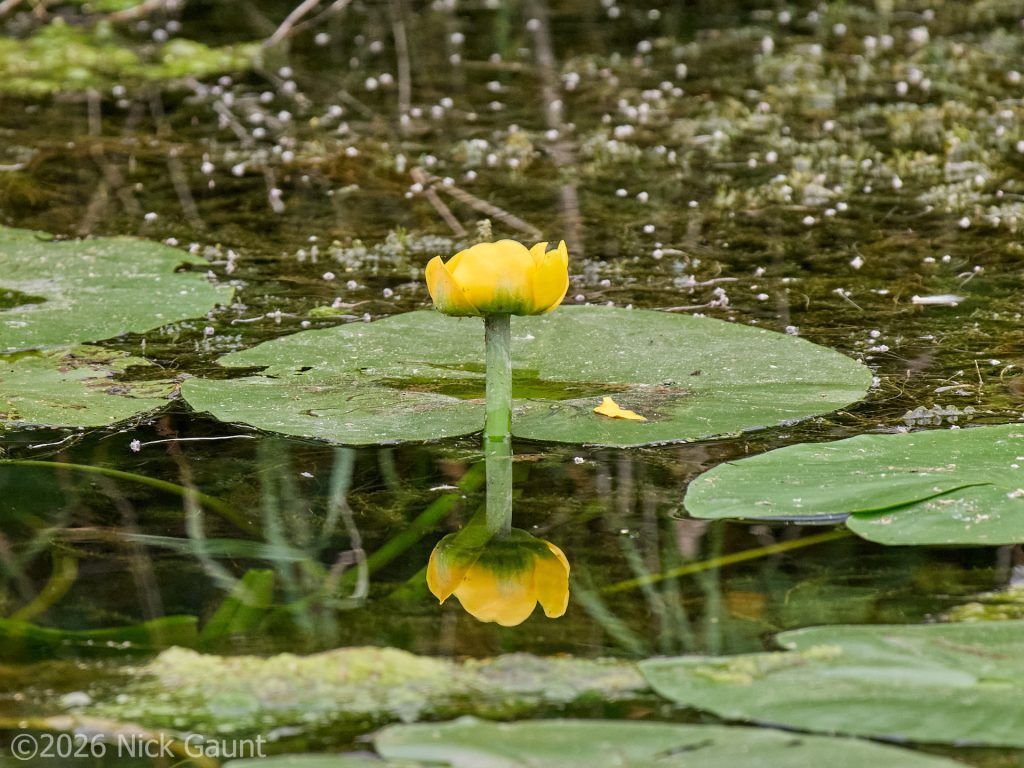
We began our foray heading southwards along the canal. One of the first plants we encountered was the White Water-lily. It seems that most of these found in Yorkshire canals appear to be cultivars, although the primitive, native species does grow here. Also encountered were copious amounts of Meadowsweet beside the canal edges, a sign that summer was at its fullest. Of course, having spotted the White Water-lily, we then came across the native Yellow Water-lily. Its bright yellow flowers ensure it is not overlooked.
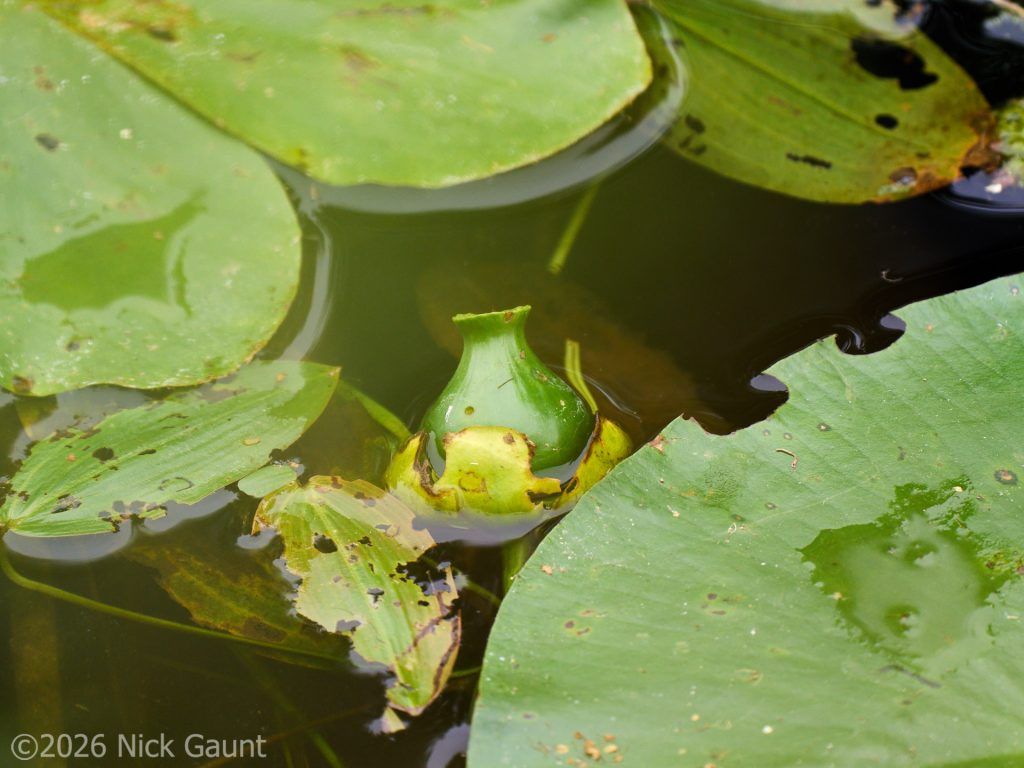
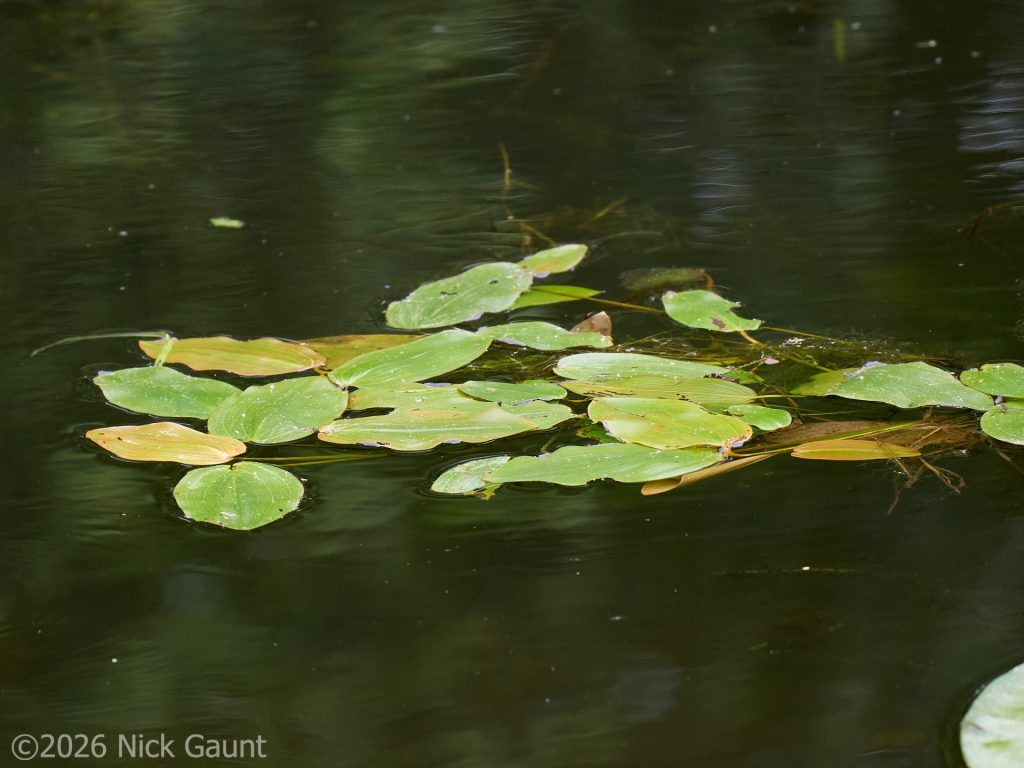
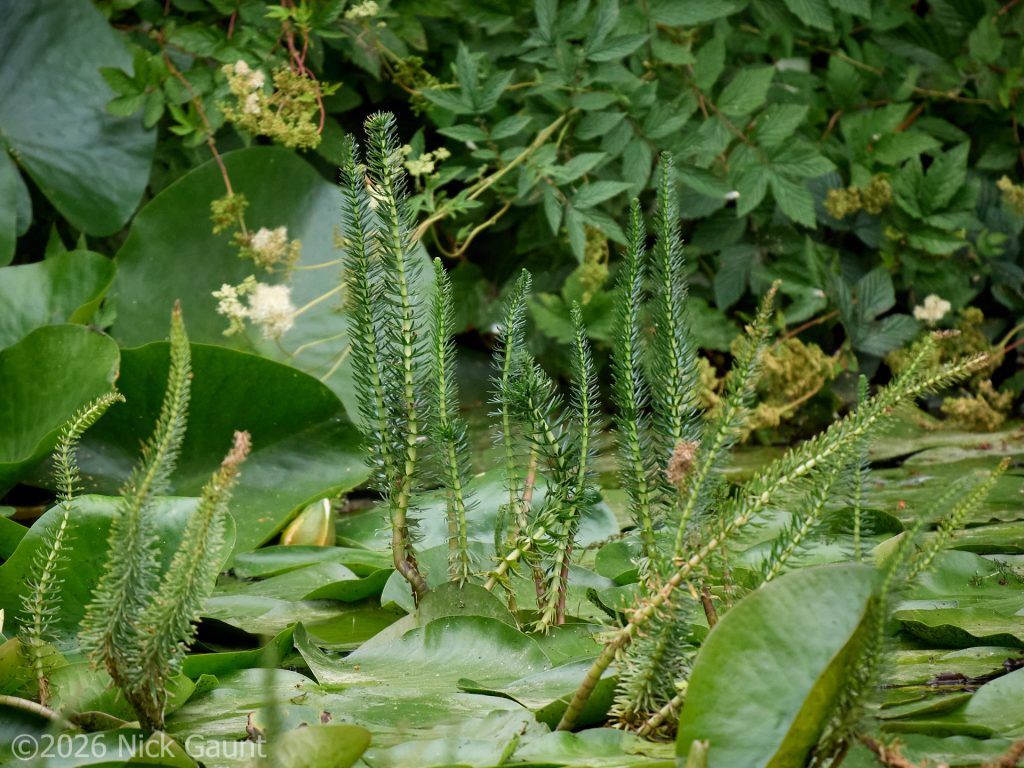
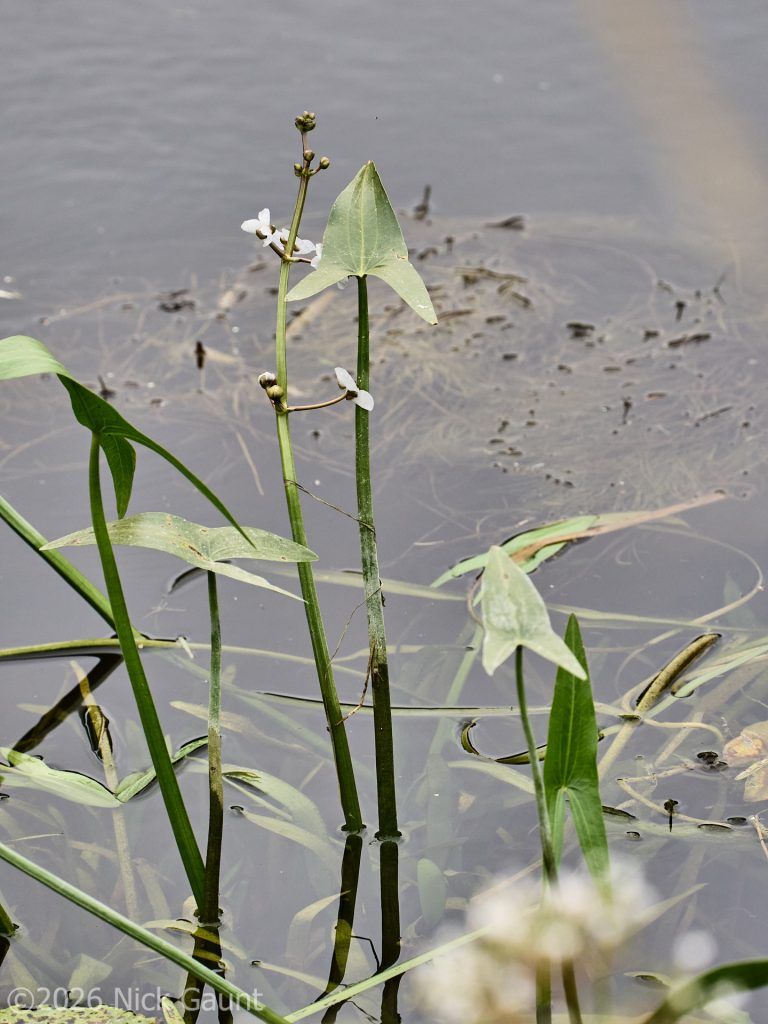
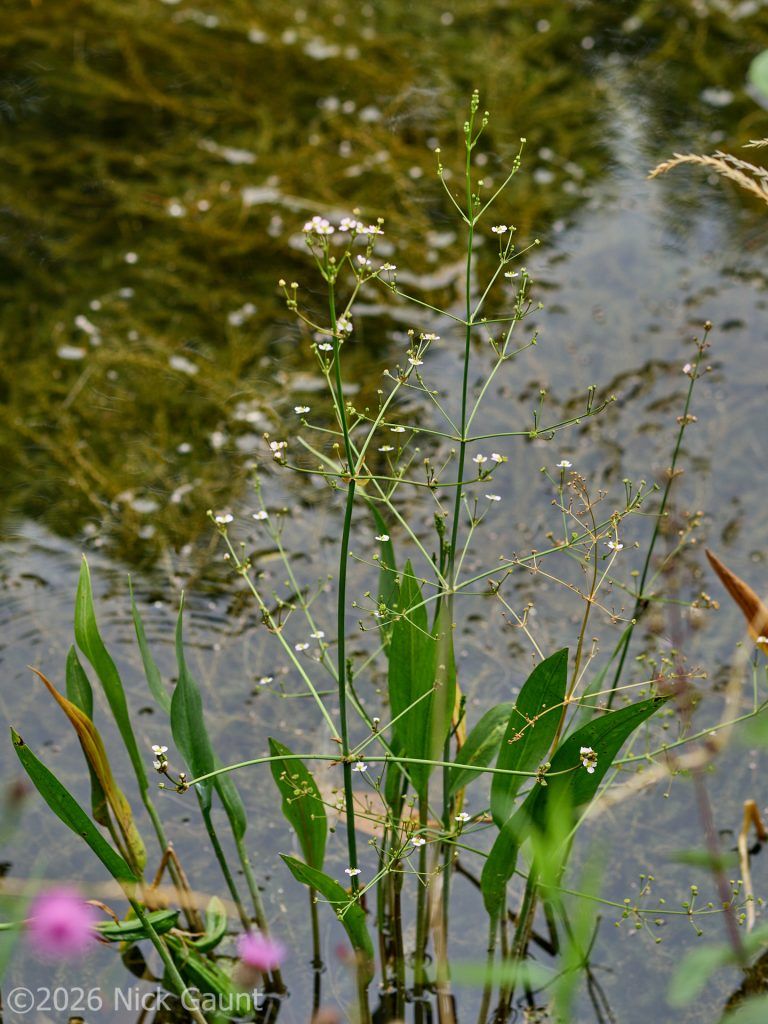
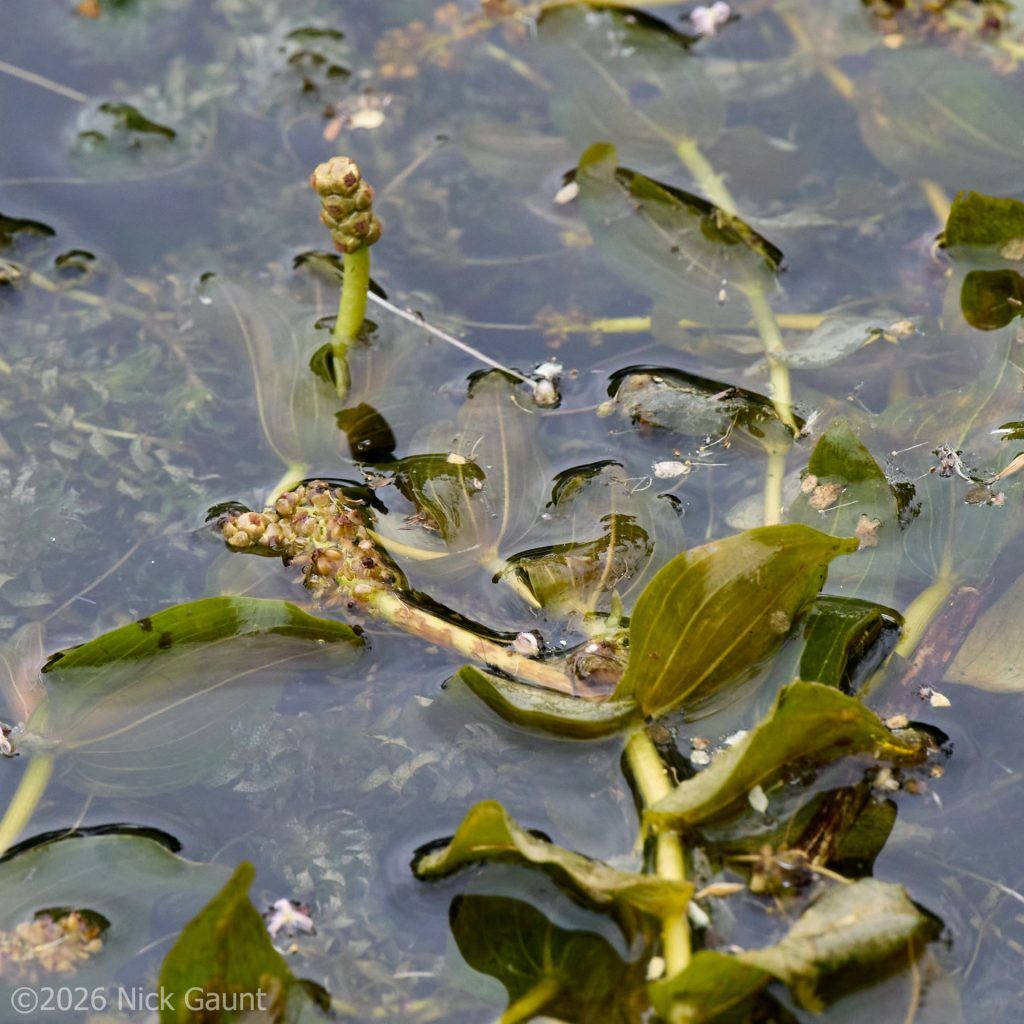
The poisonous plant of Hemlock Water-dropwort appeared to be very common, marked in some of our botany books with a red cross! I was interested to be shown Mare’s-tail (as opposed to Horsetail which is related to ferns rather than being a flowering plant) as I have never been sure about it in the past. Apparently Mare’s-tail can grow under water, unlike Horsetail. It seems that some water plants can be submerged with floating leaves, or emergent. For example, we saw Arrowhead which has submerged ribbon like leaves in deeper water, while in shallower water and towards the end of the growing season they produce emergent leaves and flowers.
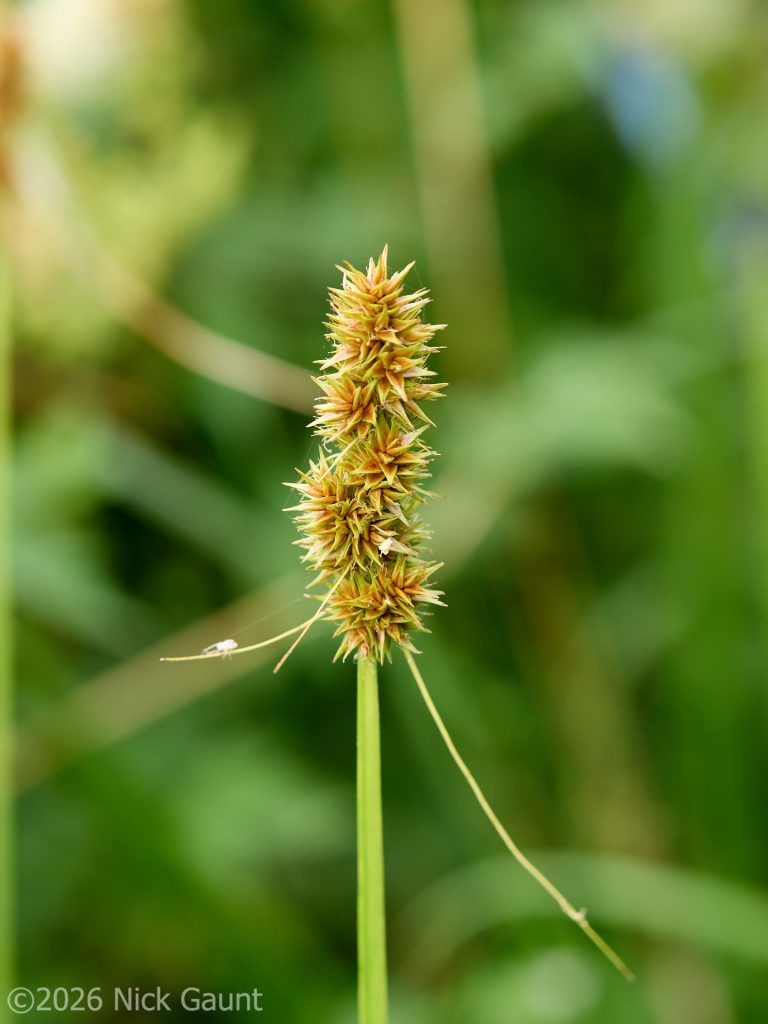
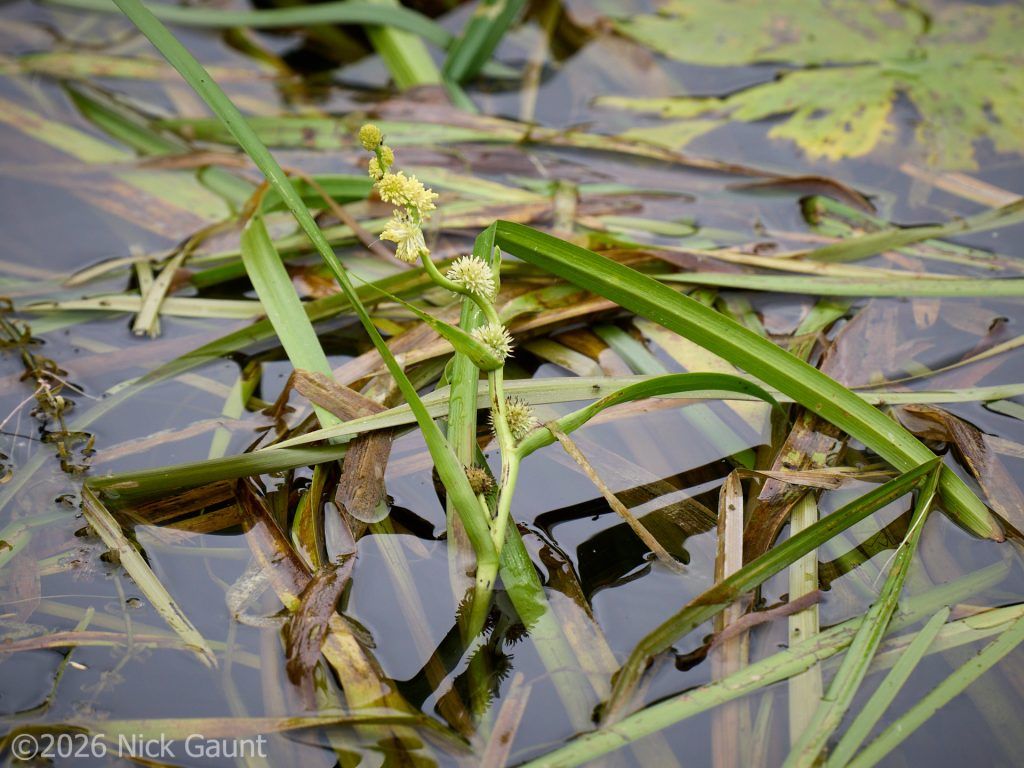
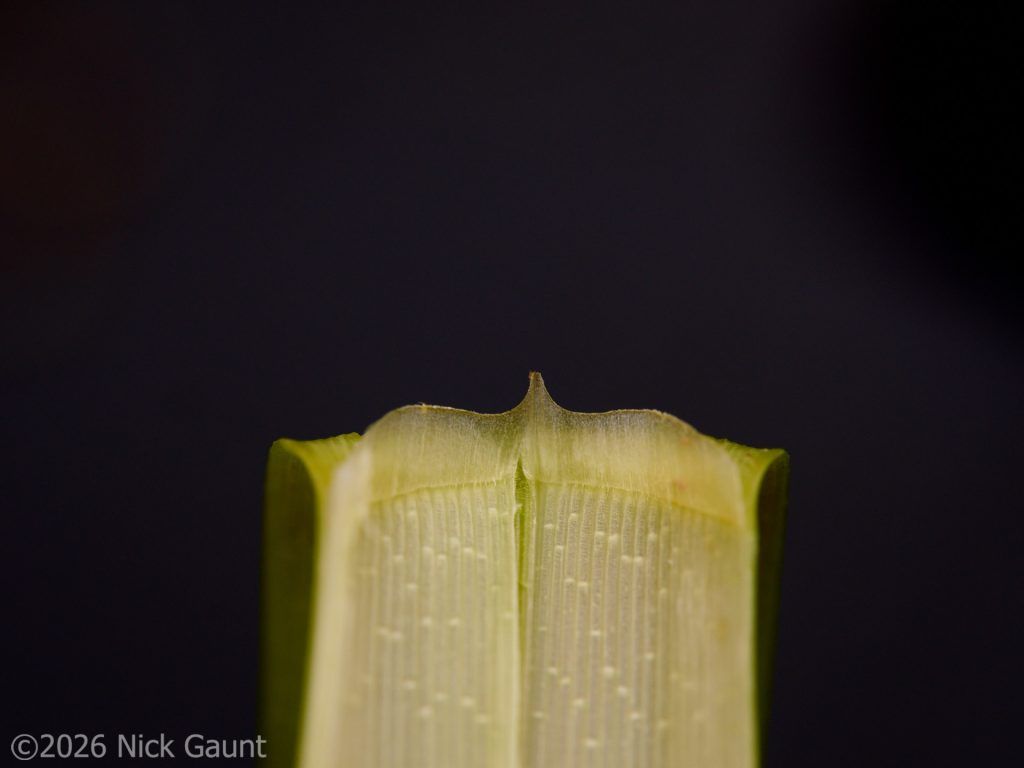
Sedges were very evident – these included Lesser Pond Sedge, Greater Pond Sedge, Hairy Sedge and False Fox-sedge. Both Branched and Unbranched Bur-reed were present. At one stage we encountered Hairy Brome at the water edge, which is usually a woodland plant and which had reached a grand height of around 7ft.
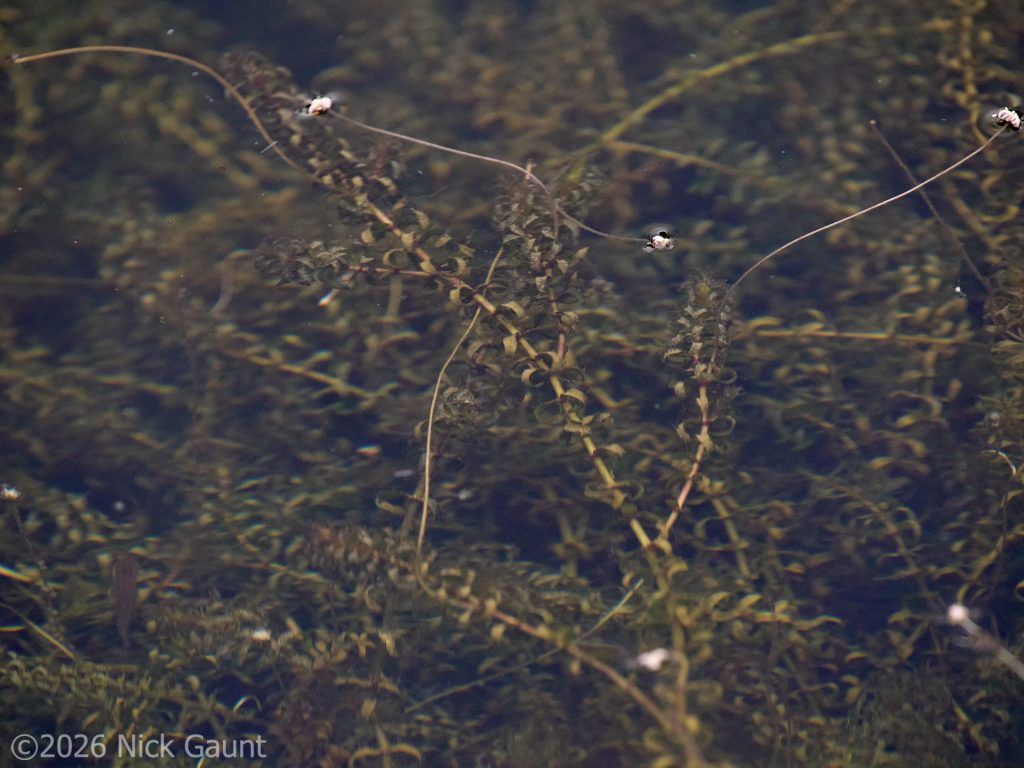
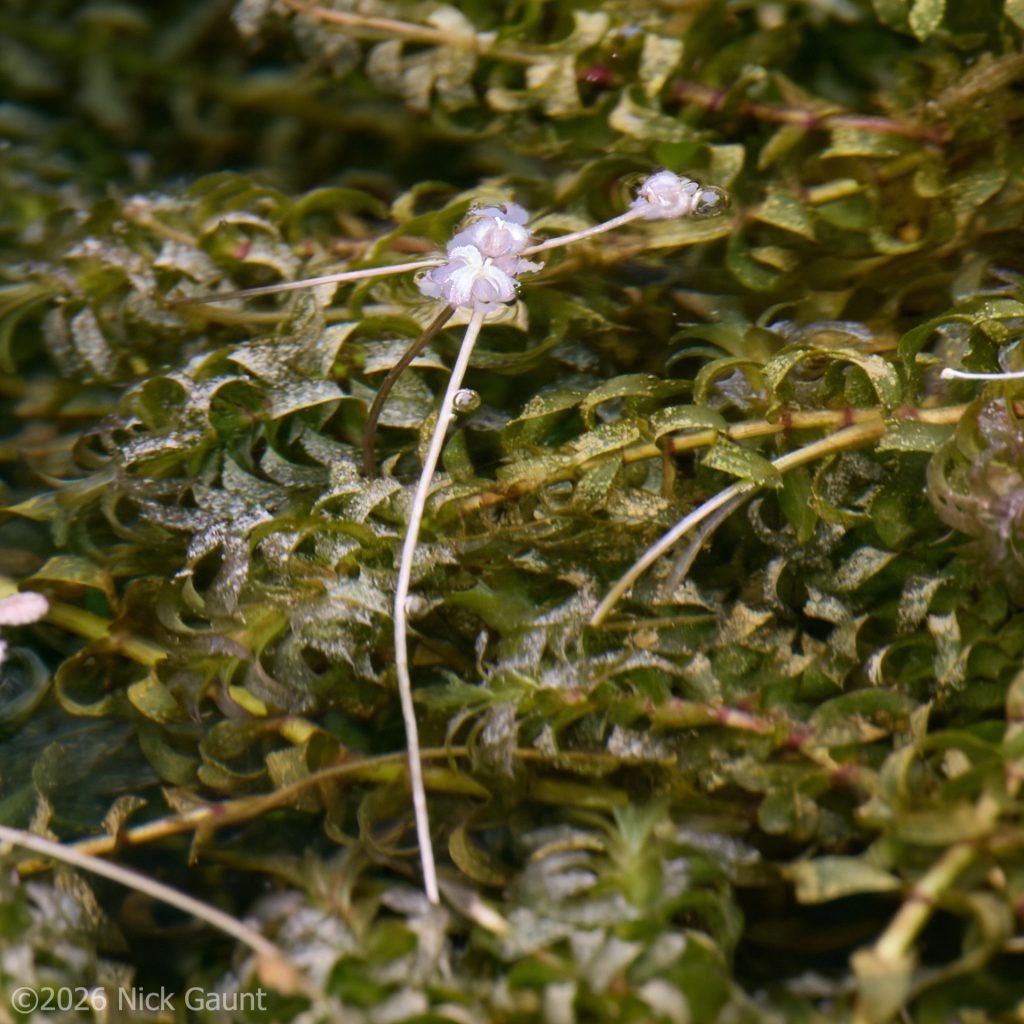
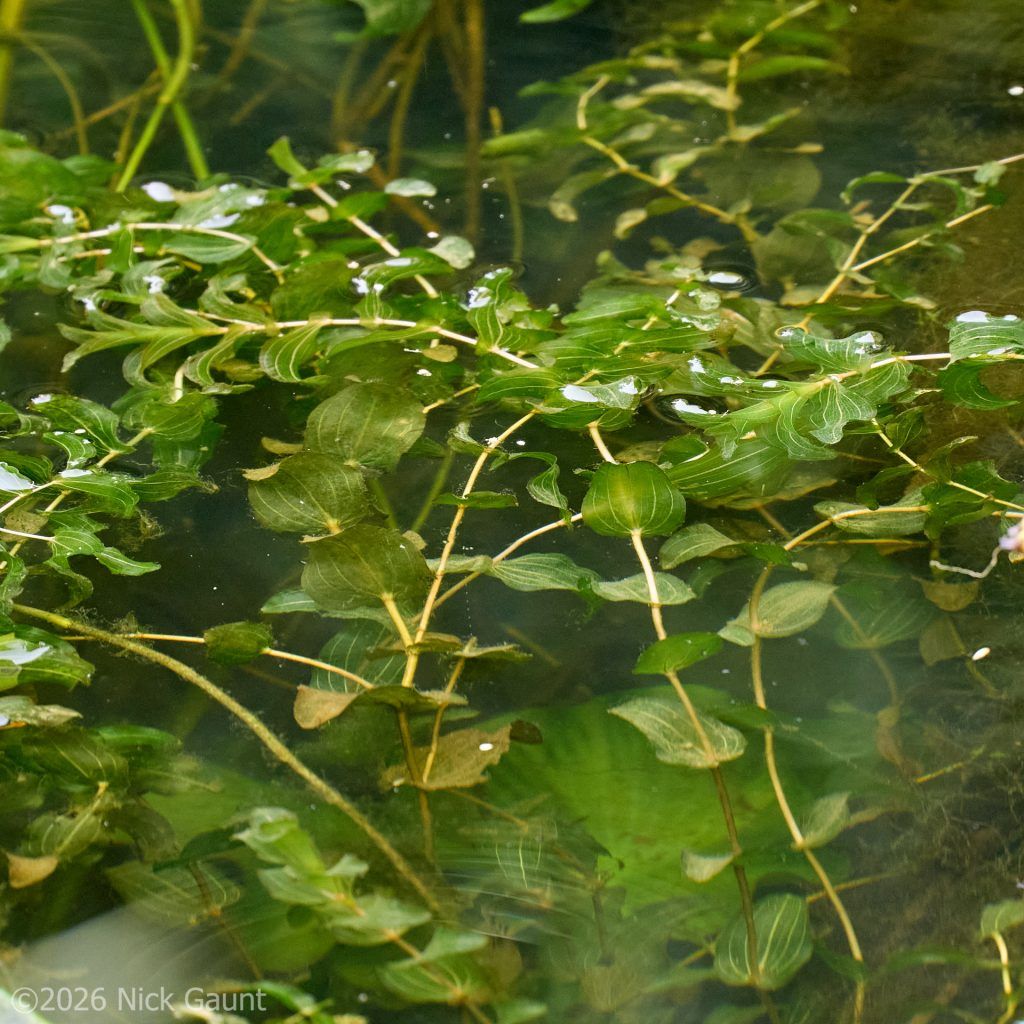
It was intriguing to hear that Mr (or Mrs or Ms) Nuttall has a waterweed named after him or her. This was growing under the water but was clearly visible to us on the bank. This plant was first recorded here in 1966 and has been spreading from the US. It seems that only the female plants grow here. Another plant which was visible below the water surface was Perfoliate Pondweed with leaves clasping the stem.
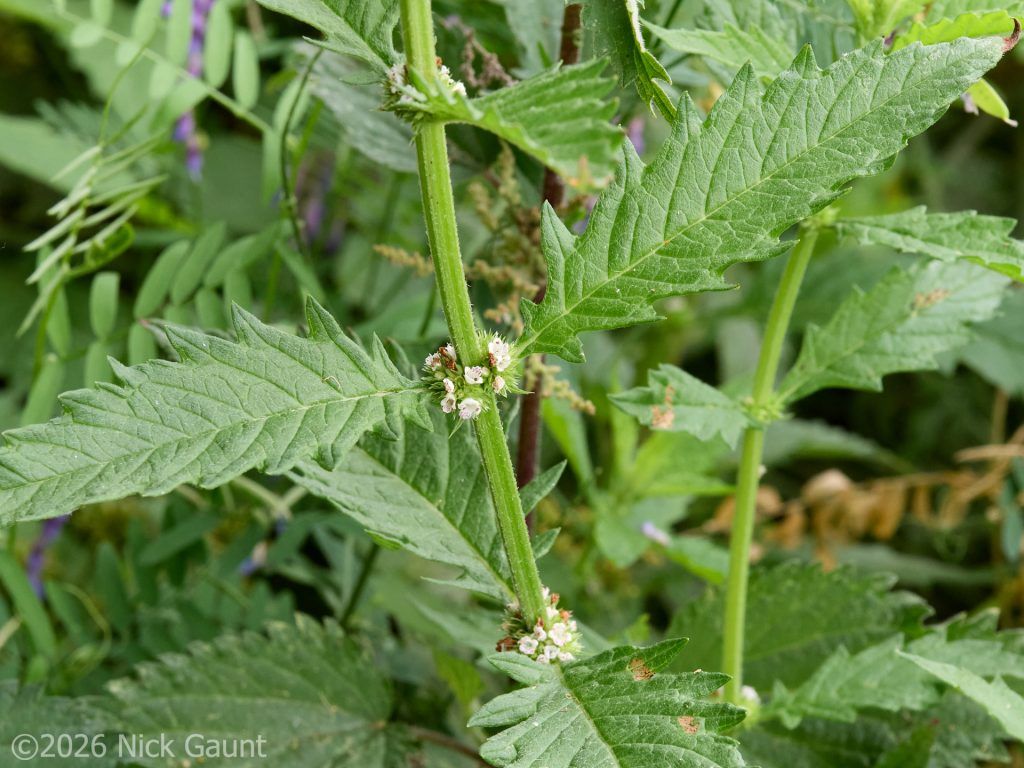
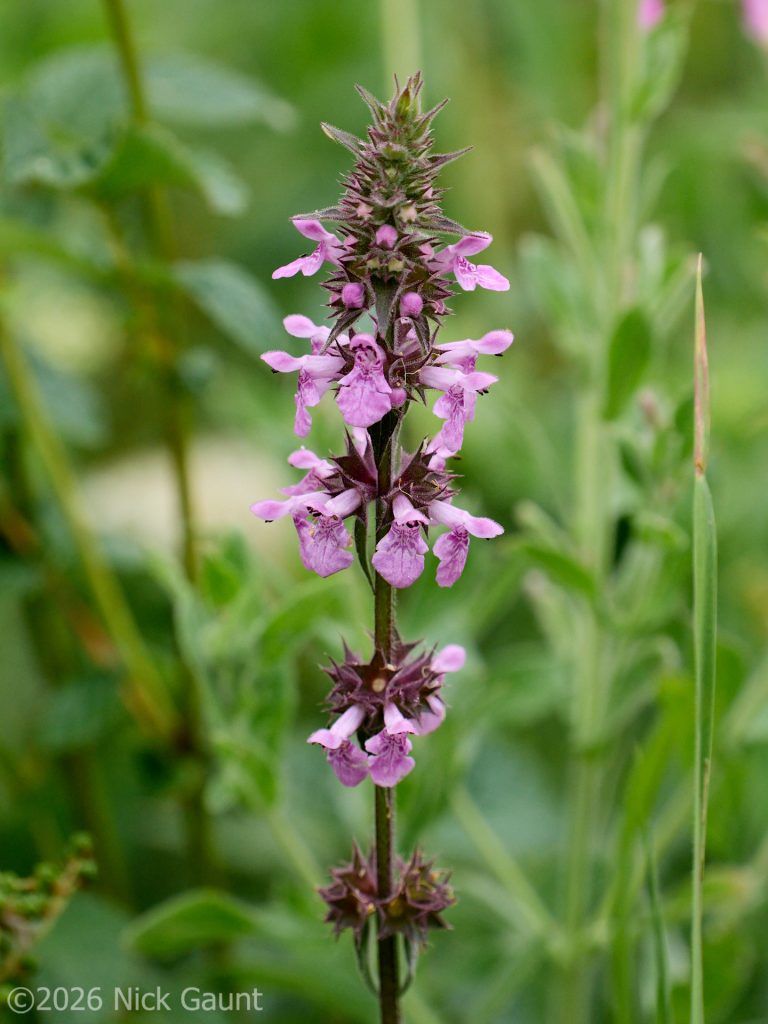
On the return leg we walked along the opposite side of the canal and our finds included Tansy, Hoary Ragwort, Autumn Hawkbit and probably Tall Melilot. To know the extensive number of plants seen on the day please refer to the plant list attached containing almost 90 species.
Robin spent a great deal of his time patiently giving us details about the plants we found. However, as Kerry has pointed out, the problem is that we now need to remember them.
A wonderful day and our thanks to Robin for all his knowledge and information, to Kerry for her organisation and to Hazel for helping with this report.
Sonia Starbuck
References: Canals, Plants and People: a Yorkshire Perspective by Ray Goulder
A Field Guide to Grasses, Sedges and Rushes by Dominic Price
All photos by Nick Gaunt